
(NEW YORK) — Inflation eased slightly in July but price increases stayed above the pace recorded before a surge in fuel prices set off by the Iran war. The reading matched economists’ expectations.
Prices rose 3.4% in July compared to a year earlier, marking a slight cooldown from an annual inflation rate of 3.5% in the prior month, federal government data released on Wednesday morning showed.
Inflation stands more than a percentage point higher than the Federal Reserve’s target rate of 2%.
In July, prices rose for medical care, airline fares, communication, education and recreation, the U.S. Bureau of Labor Statistics said.
The prices of meat and milk each climbed more than 5% over the year ending in July, clocking in well above the overall inflation rate.
Egg prices, by contrast, plummeted more than 25% over the previous year, indicating continued recovery from a shortage caused by an outbreak of bird flu.
Energy prices, meanwhile, climbed nearly 15% over the year ending in July. Shelter prices — made up primarily of monthly rents and an equivalent cost assigned to home owners — jumped 3.2% over that period, registering slightly below the overall inflation rate.
The reading arrived days after government data showed unexpected job losses last month, suggesting strain on the economy as a months-long bout of elevated price hikes weighed on shoppers.
The Iran war drove up gasoline prices and catapulted inflation to a three-year high in May. A preliminary peace agreement in June offered up some relief, but a burst of on-again, off-again fighting over ensuing weeks caused crude prices to climb.
Global oil prices stood at about $89 a gallon on Wednesday morning, keeping them well above pre-war levels.
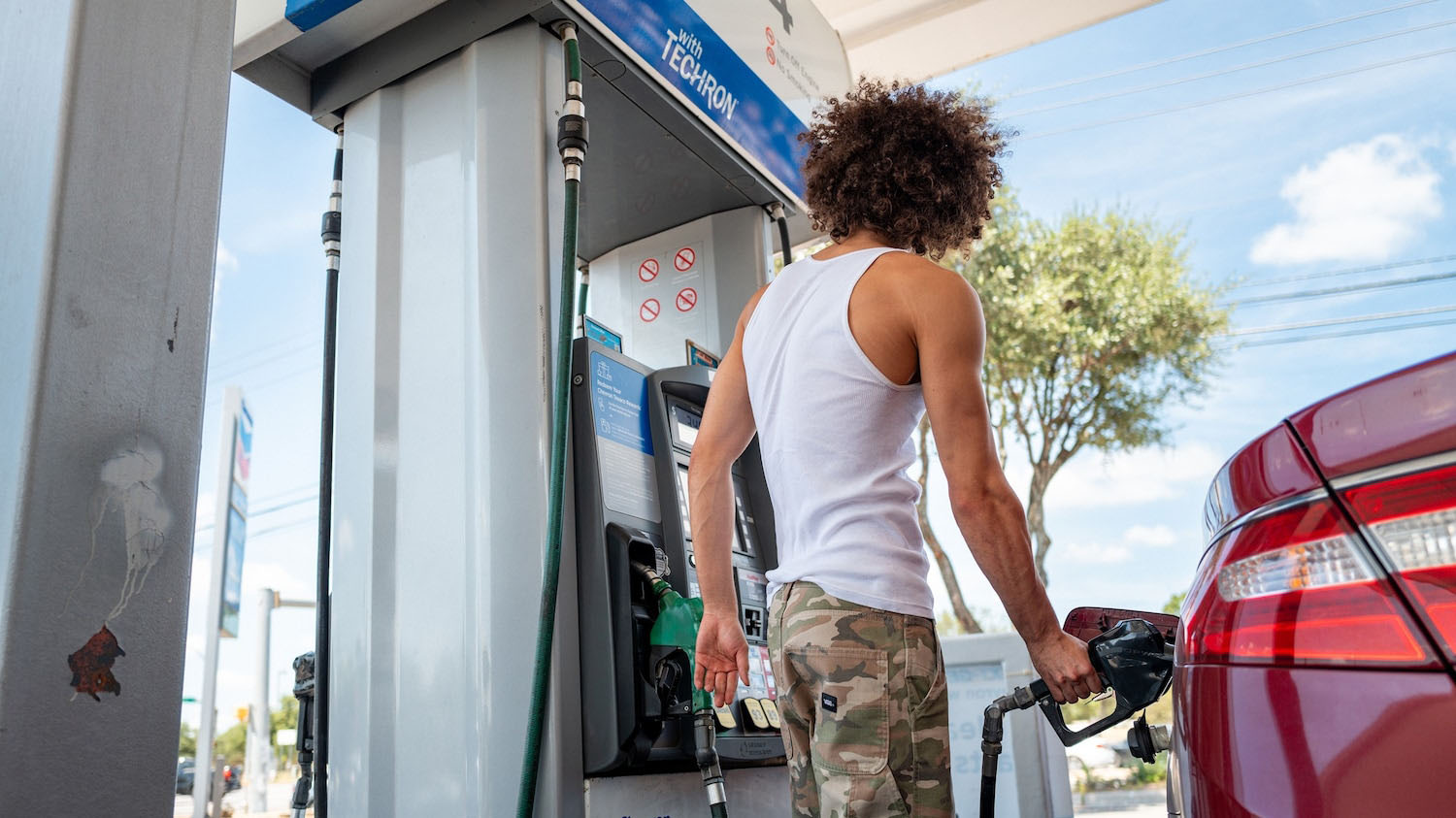
The national average price of a gallon of gas registered at $4.03 on Wednesday, AAA data showed, marking a 35% rise since the outbreak of war in late February.
A prolonged bout of elevated inflation has raised the chances of an interest rate hike, futures markets show. Investors peg the odds of a quarter-point rate hike next month at nearly 50%, according to the CME Group’s FedWatch Tool, a measure of market sentiment.
The odds of a rate increase have ticked lower since last week, however, when a lackluster jobs report showed the labor market had shifted into reverse.
The U.S. lost 23,000 jobs in July, according to the federal government’s monthly jobs report, which marked a decline from 57,000 jobs added in June.
The unemployment rate fell slightly from 4.2% in June to 4.1% in July. Unemployment remains low by historical standards.
A government report issued last week showed a steeper slowdown in gross domestic product than expected over three months ending in June, indicating softness in the underlying economy over the early months of the war.
The Fed could raise interest rates in an effort to cool off prices, but the move risks an economic slowdown that may pinch hiring.
Fed Chair Kevin Warsh, who took the helm of the central bank this summer, has repeatedly vowed to dial back inflation.
“The committee remains resolute — you’ve heard this before — that we will deliver price stability,” Warsh told reporters in Washington, D.C., last month.
Copyright © 2026, ABC Audio. All rights reserved.

- Sylvester Stallone defends his empire in ‘Tulsa King’ season 4 trailer - September 28, 2026
- Andrew Scott stars in ‘Elsinore’ official trailer - September 28, 2026
- Lindsay Lohan to star with Henry Golding in Netflix romance ‘Return to You’ - September 28, 2026